 HumanoidTraining
A FabSpeak project · AI × humanoid robots × the factory floor
A humanoid robot is not programmed. It is trained. Here is how.
Teleoperation, simulation, human video and foundation models, taken apart at the layer that decides whether the robot actually ships: the mechanism, the number, and the caveat.

Written and checked by one person.
Every number on this site links to the source it came from.

The stack, in one picture
30,000+BMW X3 vehicles built with Figure robots on the Spartanburg line
540ksynthetic demonstrations NVIDIA generated from a few dozen human ones
~7–8kcommercial humanoids operating worldwide, mid-2026 estimate
$38BGoldman Sachs humanoid market estimate for 2035
Pick a door
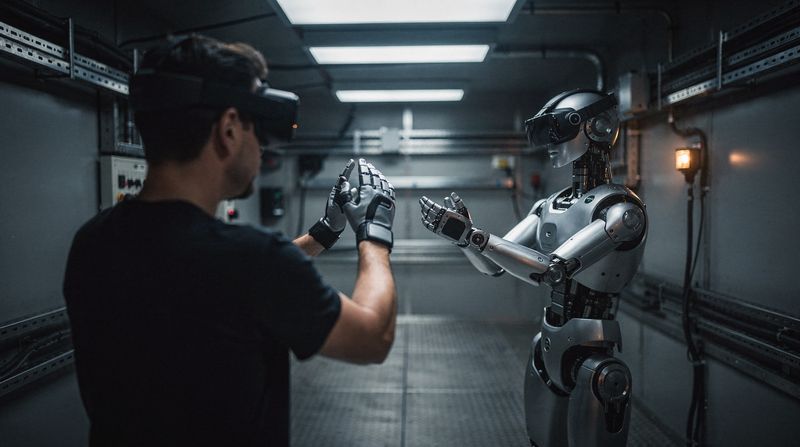 How a humanoid learnsWhy writing code for forty joints stopped working, and the four-layer stack that replaced it.
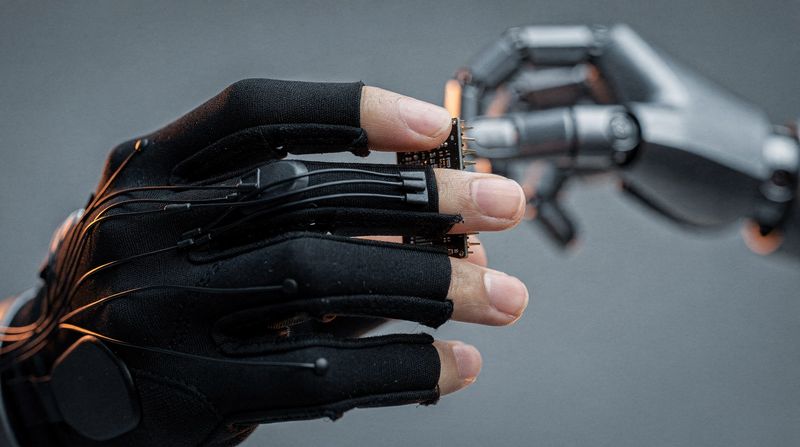 Where the data comes fromTeleoperation rigs, simulators and plain video of people working. What each is good for, and what each gets wrong.
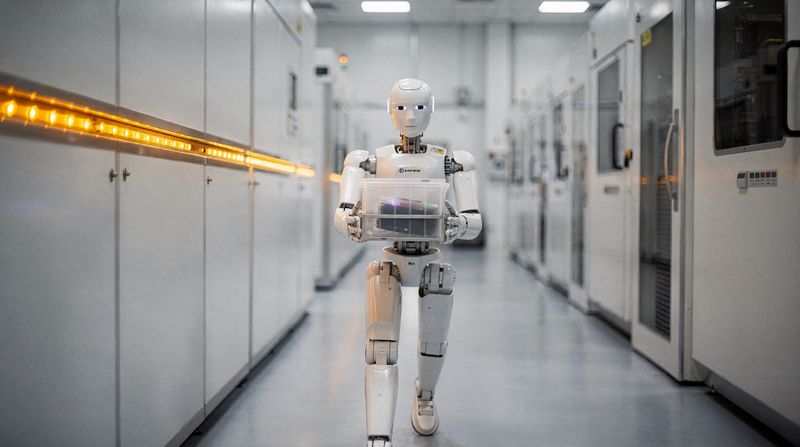 The factory floorWhat is really running in plants today, and why a semiconductor fab is a harder room than a car plant.
The hard part of a humanoid is not the body. It is the ten thousand hours of someone showing it what to do.
That one sentence is the whole site. The pages that follow are the evidence for it.